
This article was inspired by research and original writing by THF board member Bernie Sargent, whose enthusiasm for uncovering lesser-known stories of Texas history sparked this look at Bernardo de Gálvez and his role in the American Revolution.
As Americans celebrate the 250th anniversary of the nation's founding, it's worth asking: what role did Texas play in the Revolutionary War? While Texas wasn't one of the original thirteen colonies, it still made meaningful contributions to America's fight for independence through the efforts of Spain and one remarkable military leader.
That leader was Bernardo de Gálvez (1746–1786), the Spanish governor of Louisiana, whose bold campaigns along the Gulf Coast helped change the course of the war.
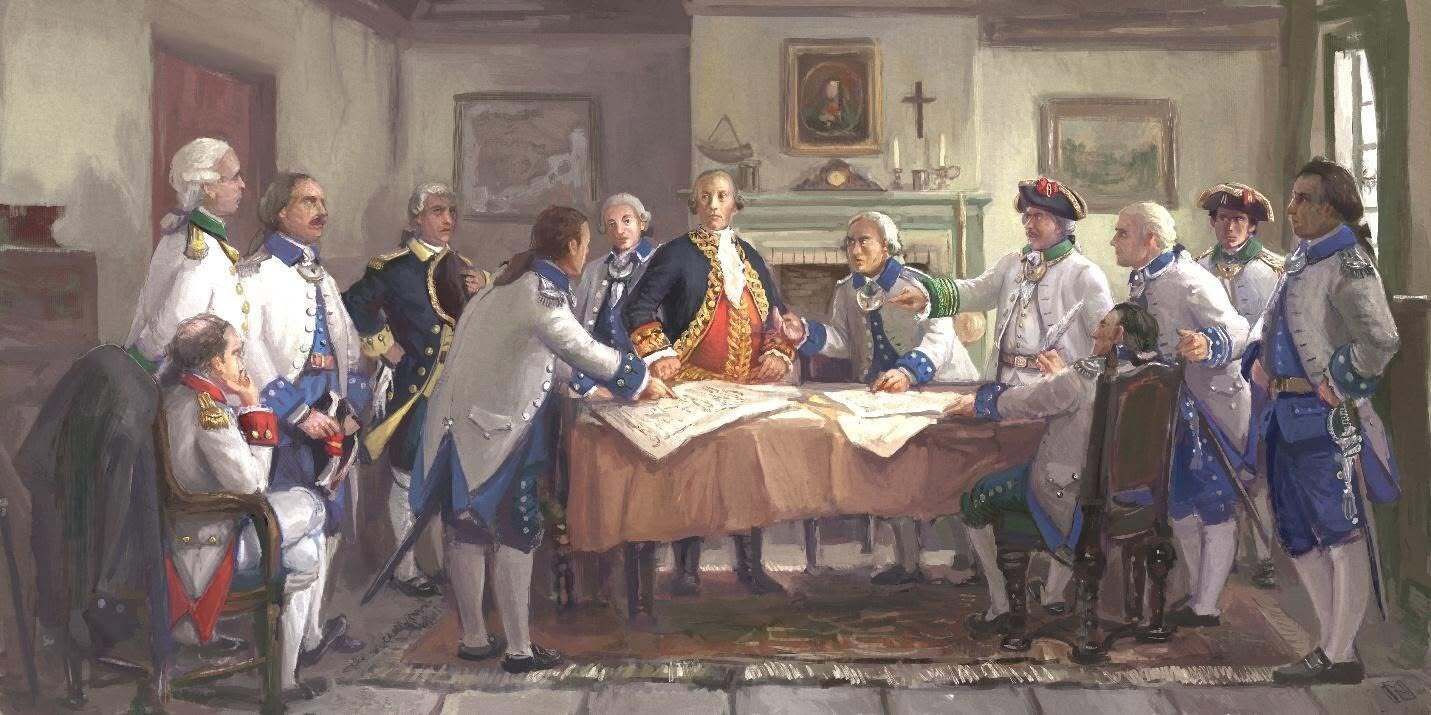
Even before Spain formally entered the war in 1779, Gálvez quietly helped the American cause by allowing military supplies—including gunpowder, muskets, uniforms, blankets, and medicine—to move through New Orleans and up the Mississippi River to the Continental Army. Once Spain declared war on Great Britain, he took the fight directly to British forces along the Gulf Coast.
In a matter of weeks, Gálvez and his multicultural force of Spanish soldiers, free Black militiamen, Creole volunteers, Acadian settlers, Native allies, and others captured Fort Bute, Baton Rouge, and Natchez, giving Spain control of the lower Mississippi River. Overnight, the region had effectively become "Team Spain."
His greatest victory came at Pensacola in 1781. When Spanish naval commanders hesitated to enter the heavily defended harbor, Gálvez famously sailed his own ship forward under enemy fire, reportedly flying the motto Yo Solo ("I Alone"). After a lengthy siege, Pensacola fell, ending British control of West Florida and securing the Gulf Coast for Spain and its allies.
These victories had consequences far beyond the Gulf. By forcing Britain to defend the Gulf Coast and lower Mississippi Valley, Gálvez prevented British commanders from concentrating all of their forces against George Washington and the Continental Army. His victories also secured the Mississippi River, an essential route for trade and military supplies.
Texas played an important supporting role as well. Ranchers and vaqueros from San Antonio and La Bahía supplied cattle, horses, and other provisions that helped sustain Gálvez's forces and supported the broader war effort. Long before Texas became a state, its people and resources were already contributing to the cause of American independence.
Although Bernardo de Gálvez remains less familiar than many Revolutionary War figures, his legacy is still visible today. Galveston Bay—and ultimately the city of Galveston—were named in his honor, and in 2014 he was named an honorary citizen of the United States in recognition of his extraordinary contributions to American independence.
As we commemorate America's 250th birthday, Gálvez's story reminds us that the Revolutionary War was truly an international effort. Spain's military victories, together with the support that flowed from Spanish Texas, helped make American independence possible. It's a chapter of Texas history well worth remembering—and one that reminds us why preserving and sharing these lesser-known stories remains so important.
THF Board Member Bernie Sargent serves as the Historic Preservation Officer for Montgomery County, Texas.


